
Good Morning!
Google opened its AI world generator to developers. OpenAI opened its new voice model. Apparently, the future is something you can both walk through and talk to.
Model | tokens | WoW (11/12) | |
1 | Hy4 flash · Tencent | 22.64T | NEW |
2 | DeepSeek V4.1 Flash · DeepSeek | 11.77T | ▼1 +0% |
3 | GPT-6 Luna · OpenAI | 1.60T | ▲1 +18% |
4 | GLM 5.3 Flash · Z.ai | 1.47T | ▼1 -11% |
5 | Hy4 · Tencent | 1.44T | ▼3 -47% |
6 | Claude Opus 5.5 · Anthropic | 1.08T | ▼1 -9% |
7 | DeepSeek V4 Flash · DeepSeek | 0.68T | ▼1 -20% |
8 | MiniMax M3.1 Flash · MiniMax | 0.67T | ▲6 +57% |
9 | MiMo-V2.6-Flash · Xiaomi | 0.60T | ▼1 -5% |
10 | Nemotron 3 Ultra · NVIDIA | 0.56T | ▲2 +24% |
Genie 4 Opens Developer API
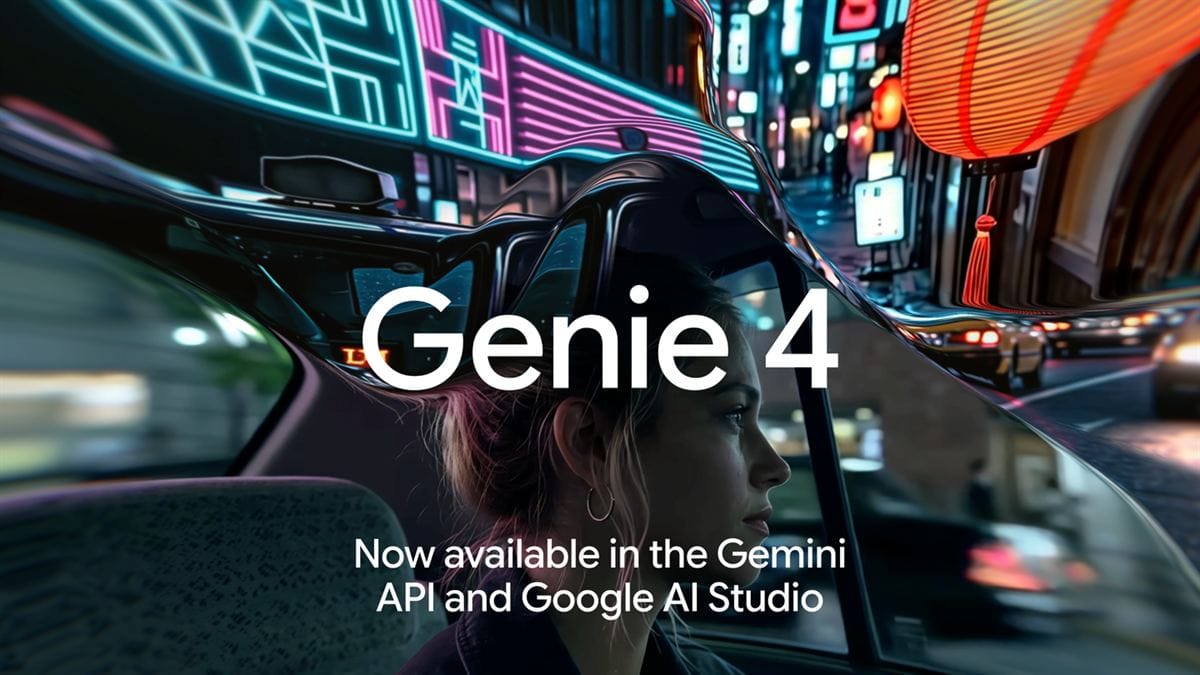
TL;DR: Following its Project Genie rollout, Google made Genie 4 available to developers through the Gemini API's Interactions API and Google AI Studio. Developers can generate continuous 720p worlds at 24fps with synchronized audio, navigate with keyboard controls and edit scenes through live prompts. Text prompts, reference images or both can start a world. Read more →
GPT-Live 1.1 Reaches the API
TL;DR: OpenAI opened GPT-Live-1.1 to API developers after using it in ChatGPT voice since October 15. The full-duplex model listens while speaking, improves transcription and keeps accents more consistent across languages. Active sessions cost $0.05 per minute; paused WebRTC standby costs $0.02 per minute. Backend models and tool use are billed separately. Read more →
Muse Wonder Leads Legora BAR
TL;DR: Muse Wonder ranked highest on overall quality in Legora's November BAR evaluation of legal work, leading analysis and answering, extraction, drafting and editing. GPT-6.2 Astra led comparison and review tasks, while Sol delivered above-average quality at lower cost. The results compare models inside Legora's legal workflow and evaluation setup. Read more →
Together Adds Free GPU Caching
TL;DR: Together launched Storage Accelerator, a caching layer included with its GPU Clusters. It keeps downloaded models and datasets on cluster NVMe so nodes can reuse them without repeatedly fetching from object storage or Hugging Face. Together measured roughly 20 times faster warm reads on an H100 node for a 2 GiB object from Cloudflare R2. Read more →
Gemini Loads Tools on Demand

TL;DR: Google previewed Tool Retrieval in the Gemini Interactions API. Agents can see tool names and descriptions while loading full parameter schemas only when needed, reducing the overhead of large tool libraries. The feature supports Gemini 3.6 and later, including Gemini 4. It has no separate charge; standard token billing still applies. Read more →
Meta Teaches Agents Better Memory
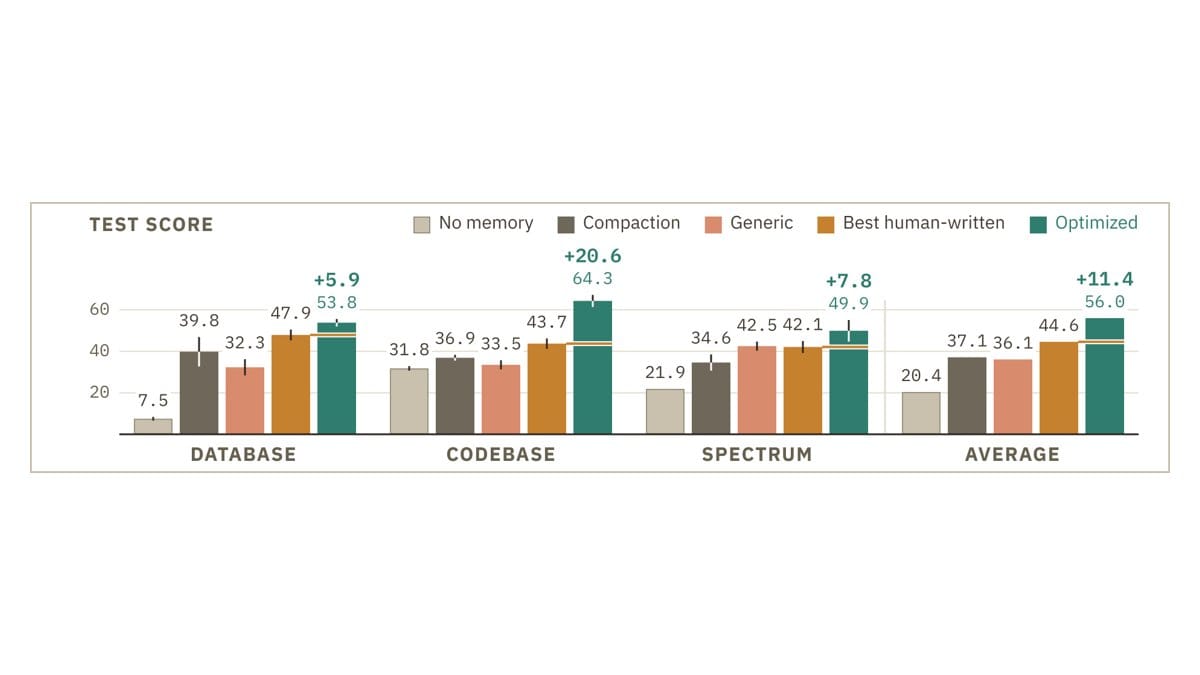
TL;DR: Meta researchers used Kimi-K2.6 to learn better ways for agents to save, organize and retrieve memory. On three Continual Learning Bench tasks, optimized memory prompts averaged 56.0 versus 44.6 for the best hand-written prompts. Distilling those habits into the model then raised its score under generic prompts from 37.6 to 43.1. Read more →
Ai2 Opens Theorizer for Research
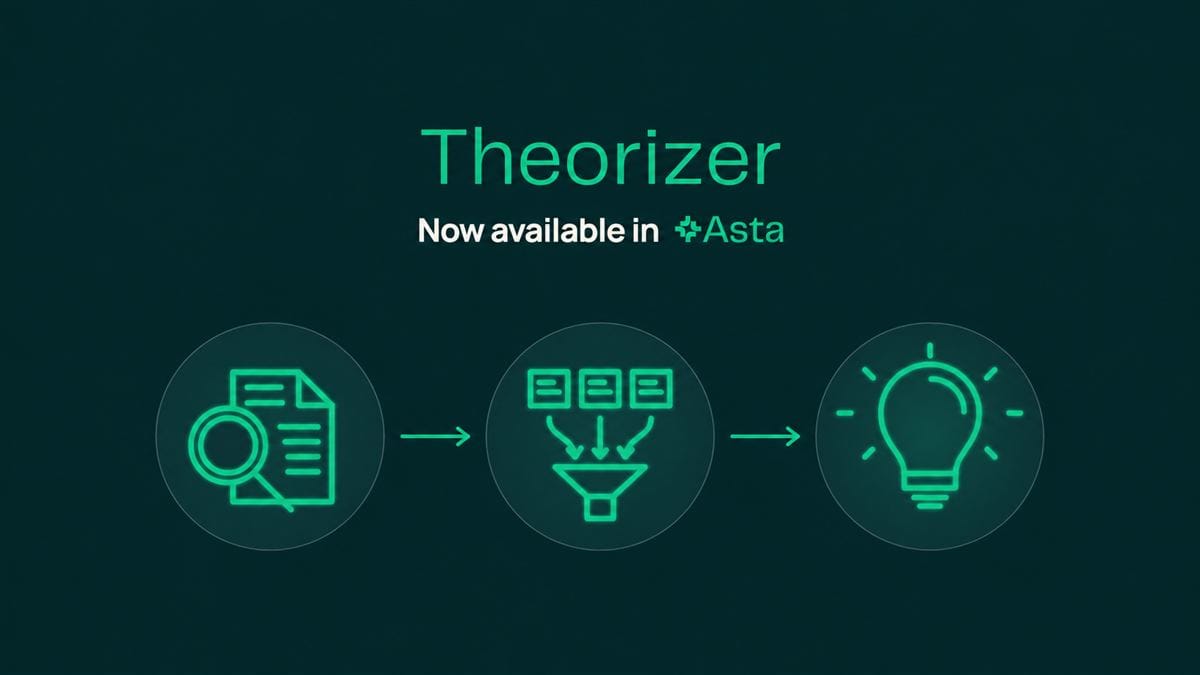
TL;DR: Ai2 launched Theorizer inside Asta and released its code. The research agent combines findings from scientific papers to propose explanations, linking each idea to supporting evidence and where it may apply. Researchers can try it through Asta with a limited token allowance or run the open library locally using paid model APIs. Read more →
Top AI models. Lower costs.
Access GPT, Claude, Gemini, and more through one OpenAI-compatible API—and save up to 70% on AI API costs. Create your DIT account, get your API key, and start building.